
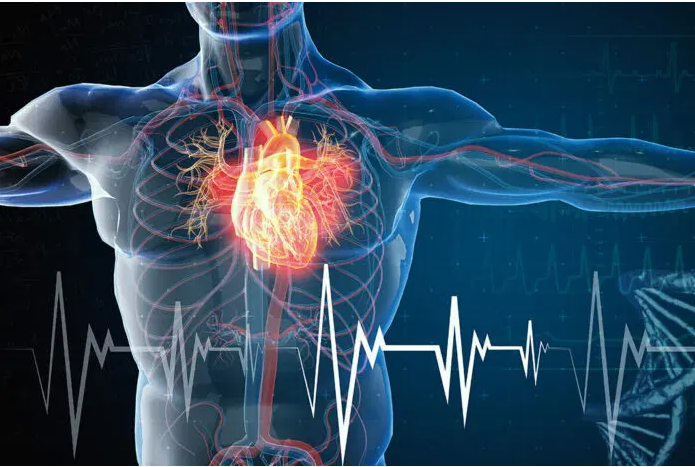
Cardio-Vascular Disease (CVD) is a group of diseases that affect the heart, vascular system of the brain and blood vessels.
CVDs are responsible for over 17.3 million deaths per year and are the leading causes of death in the world.
Coronary heart disease (CHD) is the highest cause of mortality with an estimated 8.9 million deaths annually,
followed by Stroke. There are around 650 million people living with cardiovascular disease across the world.
This number has been rising due to changing lifestyles, an ageing and growing global population,
and improved survival rates from heart attacks and strokes – and will continue to rise if these trends continue.
Globally it’s estimated that around 1 in 12 people are living with cardiovascular disease (CVD.
Types of CVDs
According to World Health Organisation (WHO) global health data sheet, there are different types
of CVDs that affect the general population and these include:
1. CVDs due to atherosclerosis:
Ischaemic heart disease or coronary artery disease (e.g. heart attack also known as myocardial infarction)
Cerebrovascular disease (e.g. stroke, vascular dementia)
Diseases of the aorta and arteries, including hypertension and peripheral vascular disease.
Deep vein thrombosis
2. Other CVDs
congenital heart disease
rheumatic heart disease
cardiomyopathies
cardiac arrhythmias
Common risk factors
Globally more than 4 in 5 deaths from cardiovascular disease are associated with modifiable risk factors.
Modifiable risk factors are often preventable; in most cases risk can be reduced with medical treatment
and lifestyle changes. Environmental risk factors (e.g. air pollution) also have a significant impact on
cardiovascular risk, as well as gender, age, family history and ethnicity. There are several risk factors
known to promote the process of atherosclerosis (thickening and hardening of arterial walls due to
fat deposit build-up) and they include behavioural, metabolic and other risk factors as highlighted below:
- tobacco use
- physical inactivity
- Type 2 diabetes
- Preeclampsia
- Gender
- Psychological factors (e.g. stress, depression)
Symptoms
Cardiovascular disease symptoms can vary depending on the cause.
Older adults and women may have more subtle symptoms. However, they can still have serious cardiovascular disease.
Some symptoms include:
Chest pain (angina).
Chest pressure, heaviness or discomfort, sometimes described as a “belt around the chest” or a “weight on the chest.”
Shortness of breath (dyspnea).
Dizziness or fainting.
Fatigue or exhaustion.
Pain or cramps in your legs when you walk.
Leg sores that aren’t healing.
Cool or red skin on your legs.
Swelling in your legs.
Numbness in your face or a limb. This may be on only one side of your body.
Difficulty with talking, seeing or walking.
Diagnosis and Tests
Careful and consistent management of CVDs can reduce the risks associated with CVD complications,
for this to happen, clinicians will need to diagnose and initiate the correct treatment regimens so as
to improve patient outcomes, hence the laboratory plays a vital role in ensuring that the gap of
diagnosis to treatment is filled. Some common tests to diagnose cardiovascular disease include:
Blood tests, Electrocardiogram (EKG), Ankle brachial index (ABI), Ambulatory monitoring, CT scans,
Cardiac MRIs and angiograms, Stress tests and Cardiac catheterization or insertion of pacemakers.
Doppler ultrasound scans, spirometry tests.
Blood tests.
Clinical laboratories can improve care for patients experiencing, or at risk for, cardiovascular disease.
Integral to the improvement in patient outcomes, is the reliability, precision and accuracy offered
by the laboratory. At DLS the following tests can be carried out in a timely manner:
Urea and electrolytes
Full blood count (FBC)
Glycosylated haemoglobin (HBA1c)
C-Reactive Protein, High Sensitivity
Cardiac enzymes (Creatinine kinase, CKMB (Creatinine kinase myocardial band),
LDH (Lactate dehydrogenase), Aspartate transaminase (AST))
Lipid profile (HDL-Cholesterol, Cholesterol, LDL-Cholesterol, Triglycerides)
Homocysteine
Lipoprotein(a)
NT-proBNP
BNP
hsTnI (high sensitivity Troponin)
Digoxin
Myoglobin